
Stop searching for another Everlane
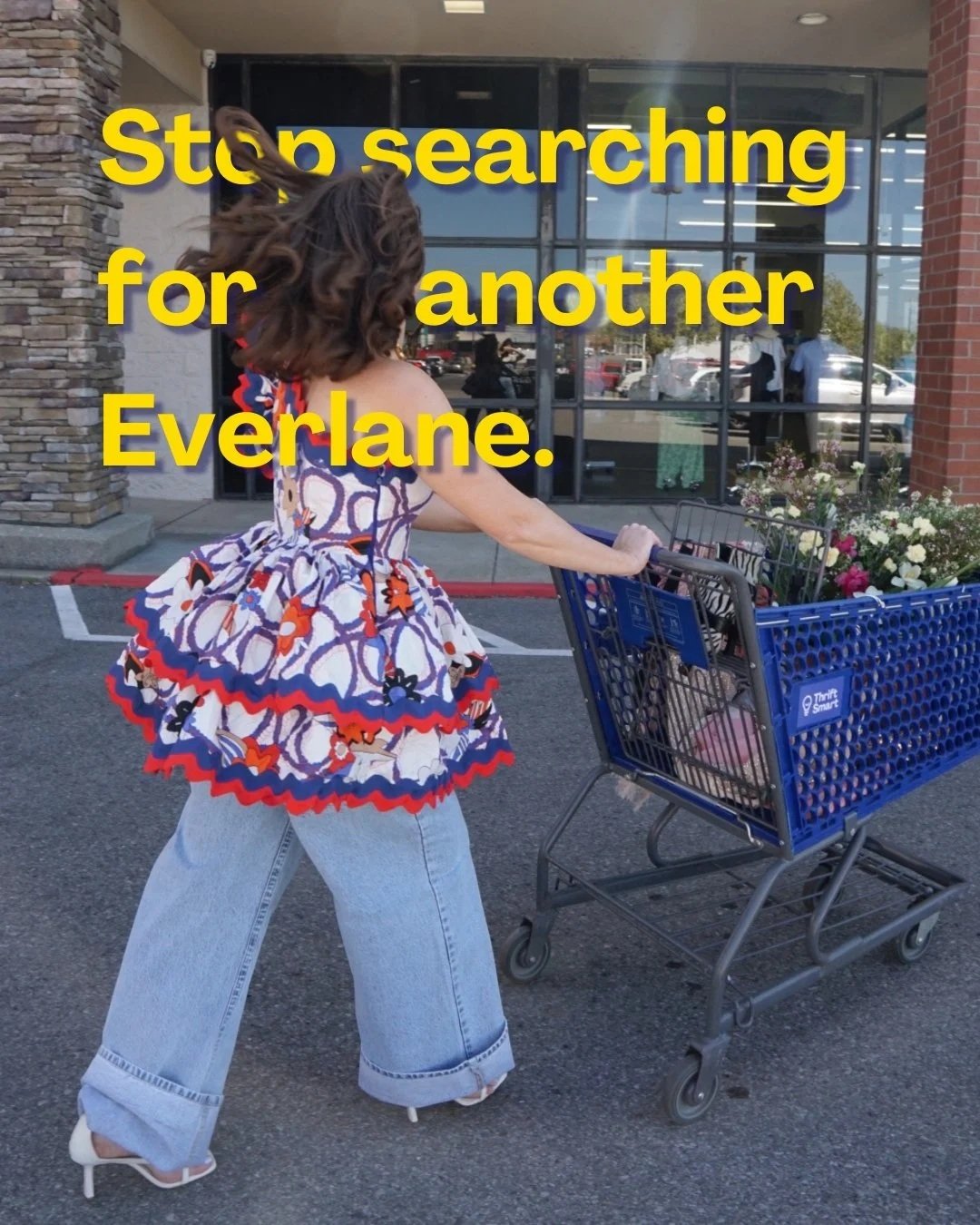
For the past decade, as awareness of fashion’s social and environmental impact has grown, a new category of brands has emerged to meet the moment.
Companies like Everlane, Reformation, and Allbirds gave us what we were looking for: trendy, modern essentials made with a promise of sustainability.
For many of us, it finally felt like we could shop without compromise.
Recently, that confidence has started to wobble.
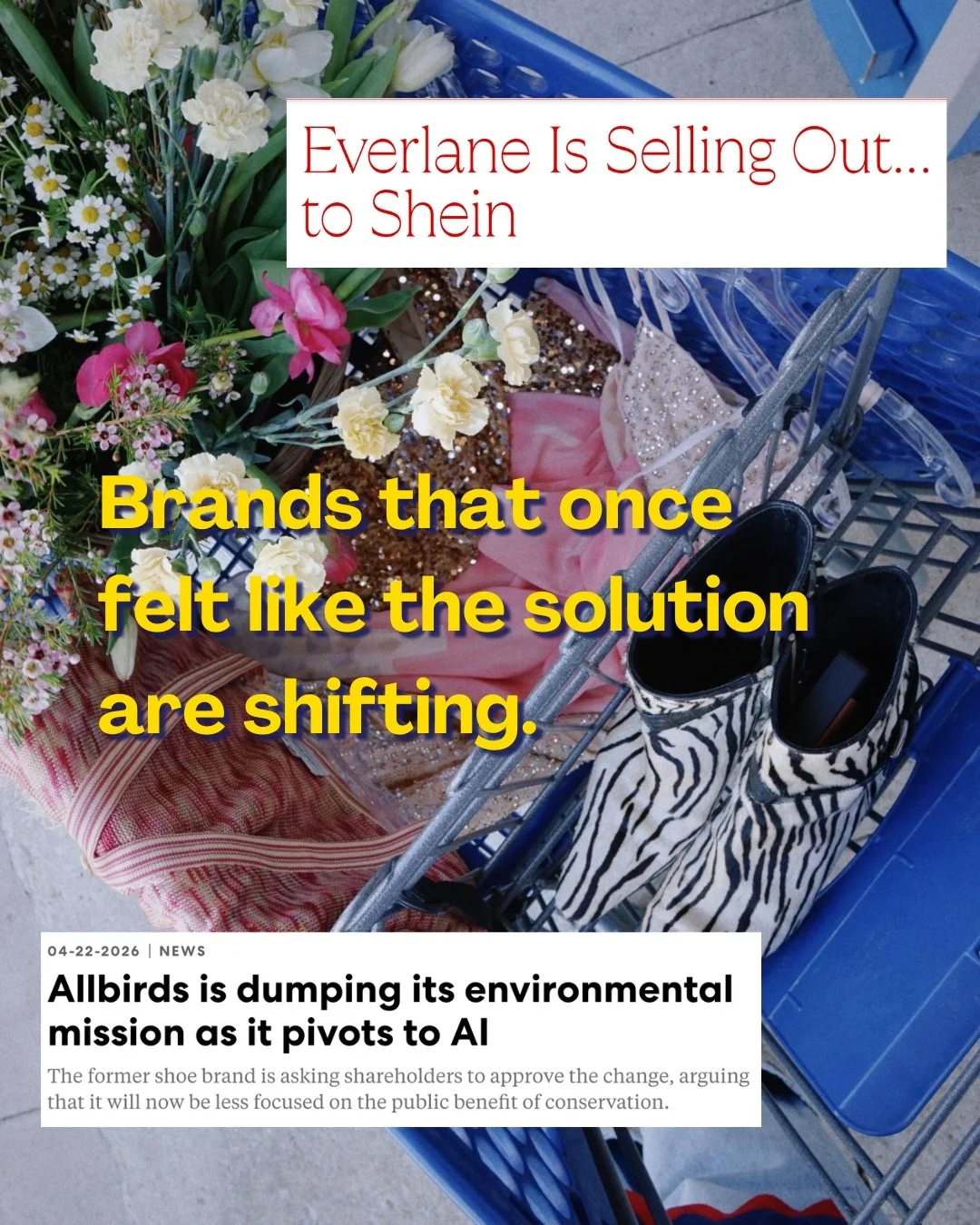
Allbirds, once known for its environmental mission, sold off its footwear business and is now pivoting into AI infrastructure. And earlier this week, Everlane, long recognized for its transparency and sustainability standards, was acquired by fast fashion giant Shein.
The harder truth is structural.
The global textiles industry consumes enormous non-renewable resources every year, oil for synthetics, fertilizers for cotton, and chemicals for dyeing and finishing. Estimates put total material use at tens of millions of tonnes annually.
And here’s the tension no brand can easily escape: To grow revenue, fashion companies must grow production. To be “less bad,” they can optimize materials. But to be truly regenerative, they would need to make less. Those two goals don’t naturally coexist in a growth-driven model.
There is, however, one corner of fashion where that contradiction doesn’t apply.
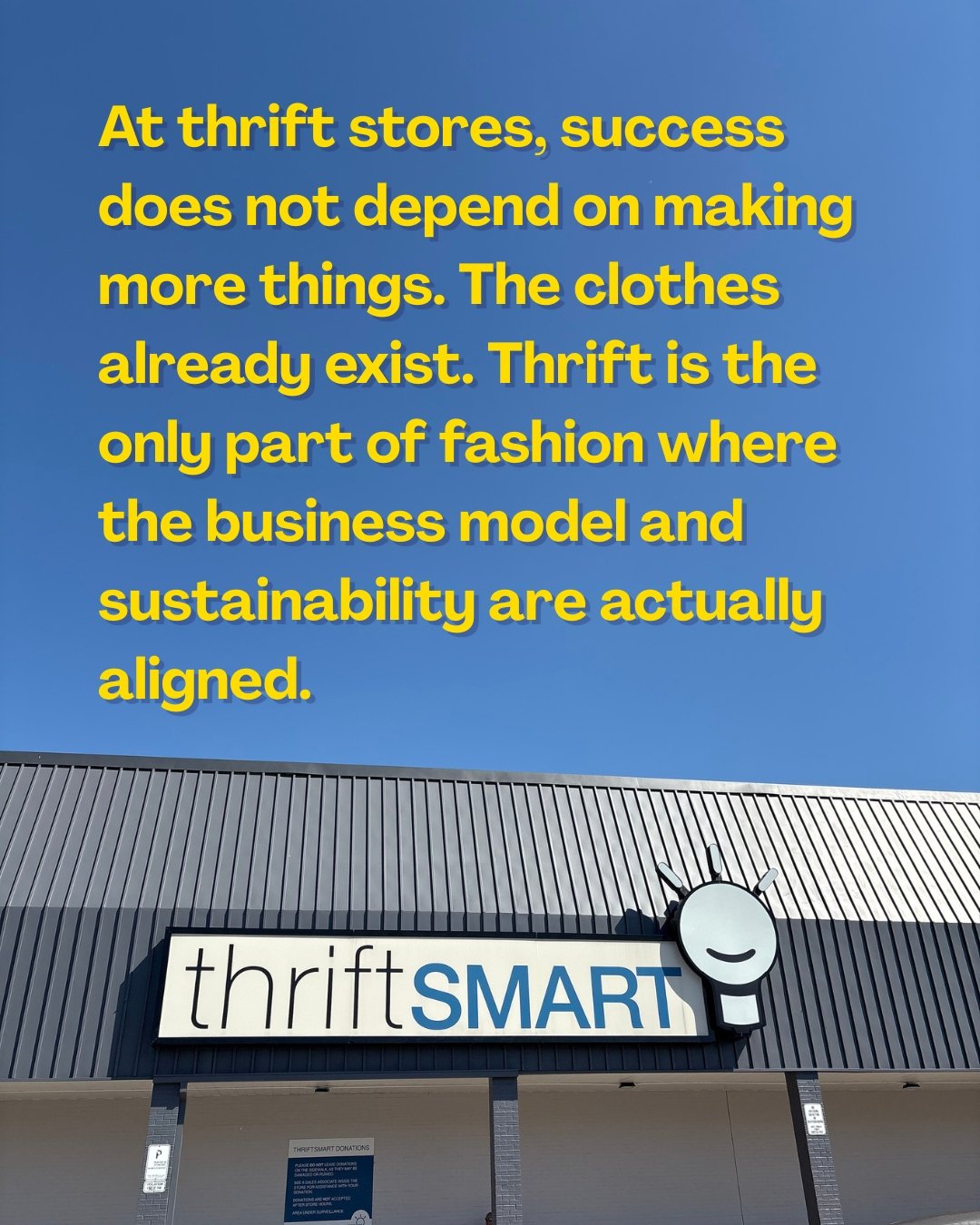
Thrift is the only segment of fashion where the incentive to manufacture more doesn’t exist.
Where success and environmental impact are not at odds, but aligned.
If you keep searching for the next perfect sustainable fashion brand, you will likely be disappointed.
One after another, brands will either:
shift strategy to survive,
raise prices beyond reach, or
dilute the very values that made them appealing.
And you’ll be left in a loop, always hunting for the next “better” option that never quite arrives.
We understand that if you’re used to shopping new, thrifting can feel overwhelming.
That’s why we’ve spent over 20 years helping people find their personal style without sacrificing their values.
Here’s how to do it
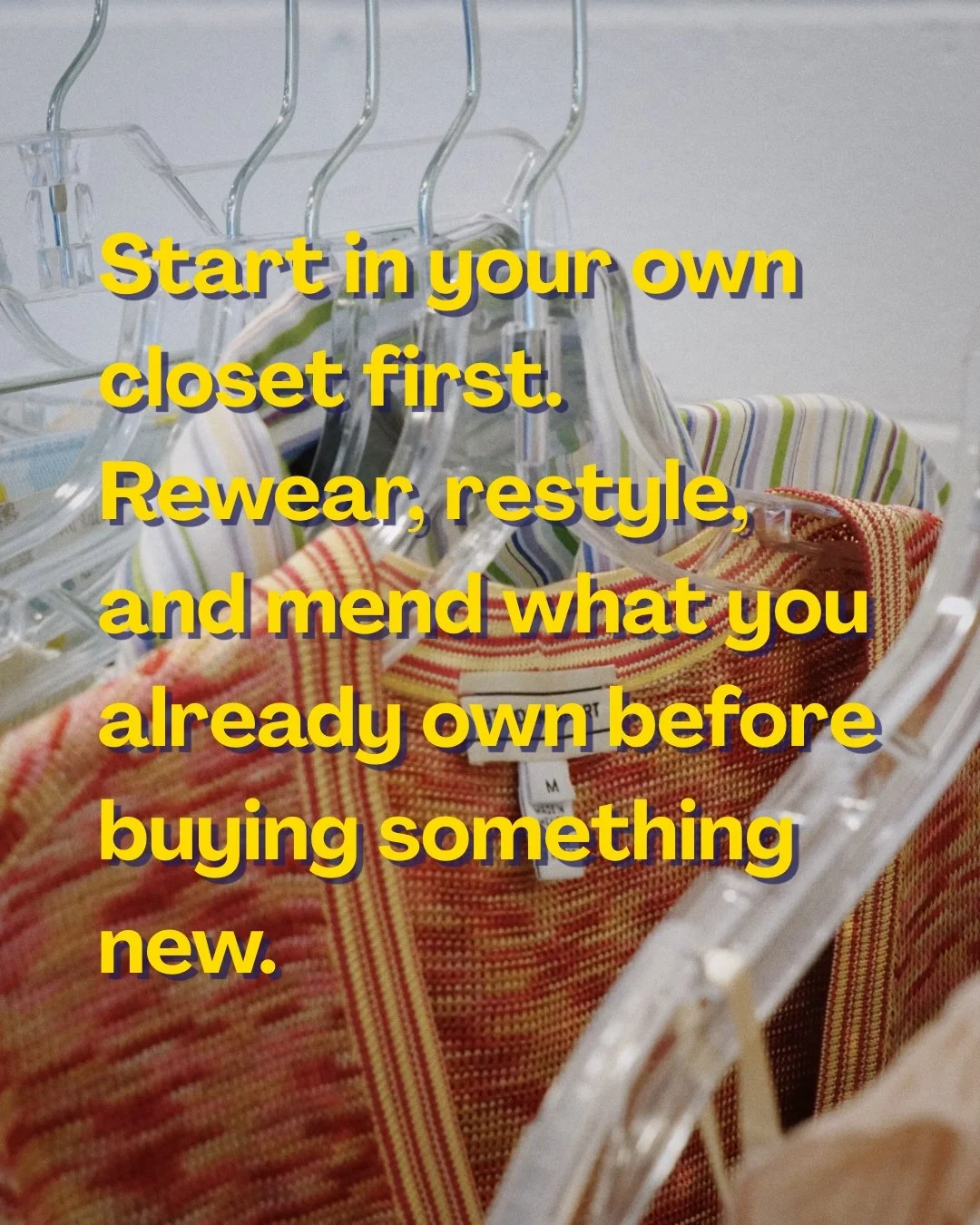
1. Start in your own closet first.
Rewear, restyle, and mend what you already own before buying something new. Set aside an afternoon to mix and match pieces in your closet and find new outfit combinations. Try to recreate looks that inspire you with things you already own. Donate the pieces that don’t fit you or truly don’t match your lifestyle. Removing the clutter will make it easier to shop your own closet.
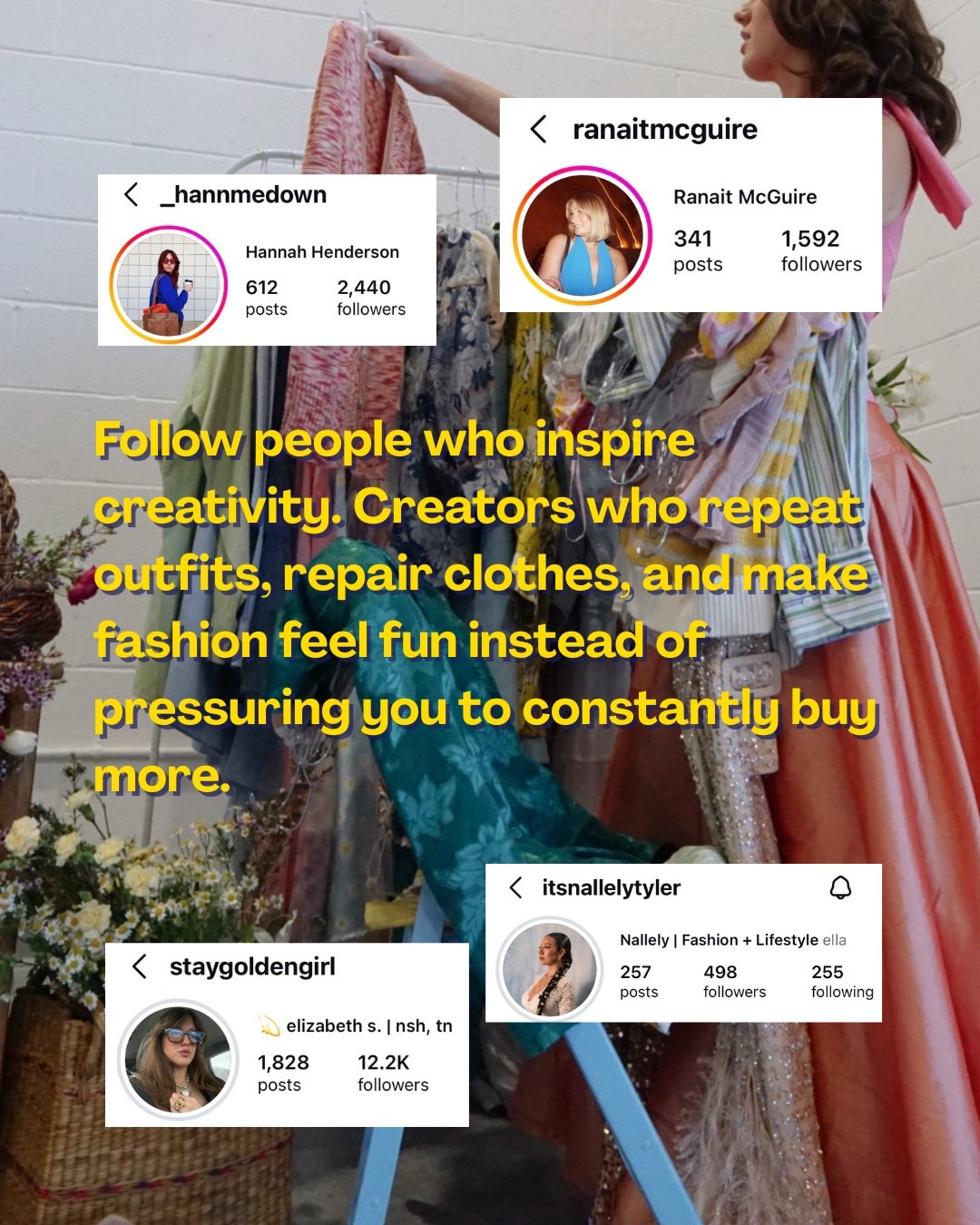
2. Follow people who inspire creativity
Find creators who repeat outfits, repair clothes, and make fashion feel fun instead of pressuring you to constantly buy more. If they are constantly directing you to shopping links or have a new must-have every week, they are not the one. You need people that provide inspiration in a way that encourages you to give it your own twist not copy and paste their outfits. Some creators that we love are @staygoldengirl @_hannmedown @ranaitmcguireand @itsnallelytyler .
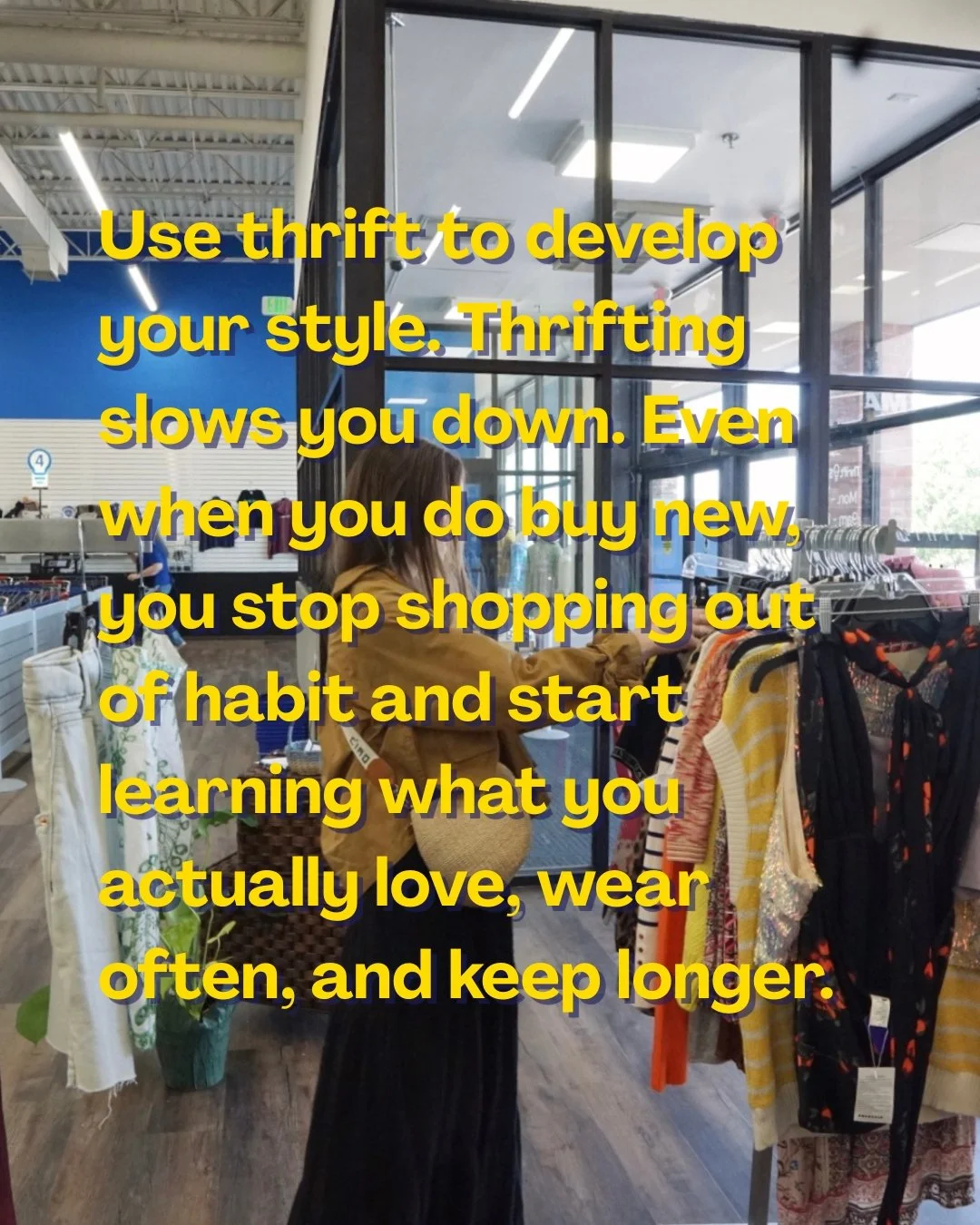
3. Use thrift to develop your personal style
Thrifting trains a different kind of shopping instinct. In traditional retail, everything is styled to sell you on a fantasy. In a thrift store, items are exactly what they are. If you like it here, you’ll like it in your real life. It teaches you to underconsume and to choose better.
Stop waiting for the next big “green” fashion breakthrough to solve the problem for you.
Because the pattern is already clear: new brands will continue to emerge promising that buying more new things is the path to sustainability. But you don’t have to settle for fashion that only does less harm. You can participate in a system that does good by design.
Thrift isn’t a compromise, it is a model where success doesn’t depend on producing more.
